

Key takeaways
- Visual hierarchy dictates user attention flow
- Clarity in headlines reduces immediate bounce rates
- Proof markers build instant cognitive trust
- The Flow case reveals high-conversion patterns
Before and After
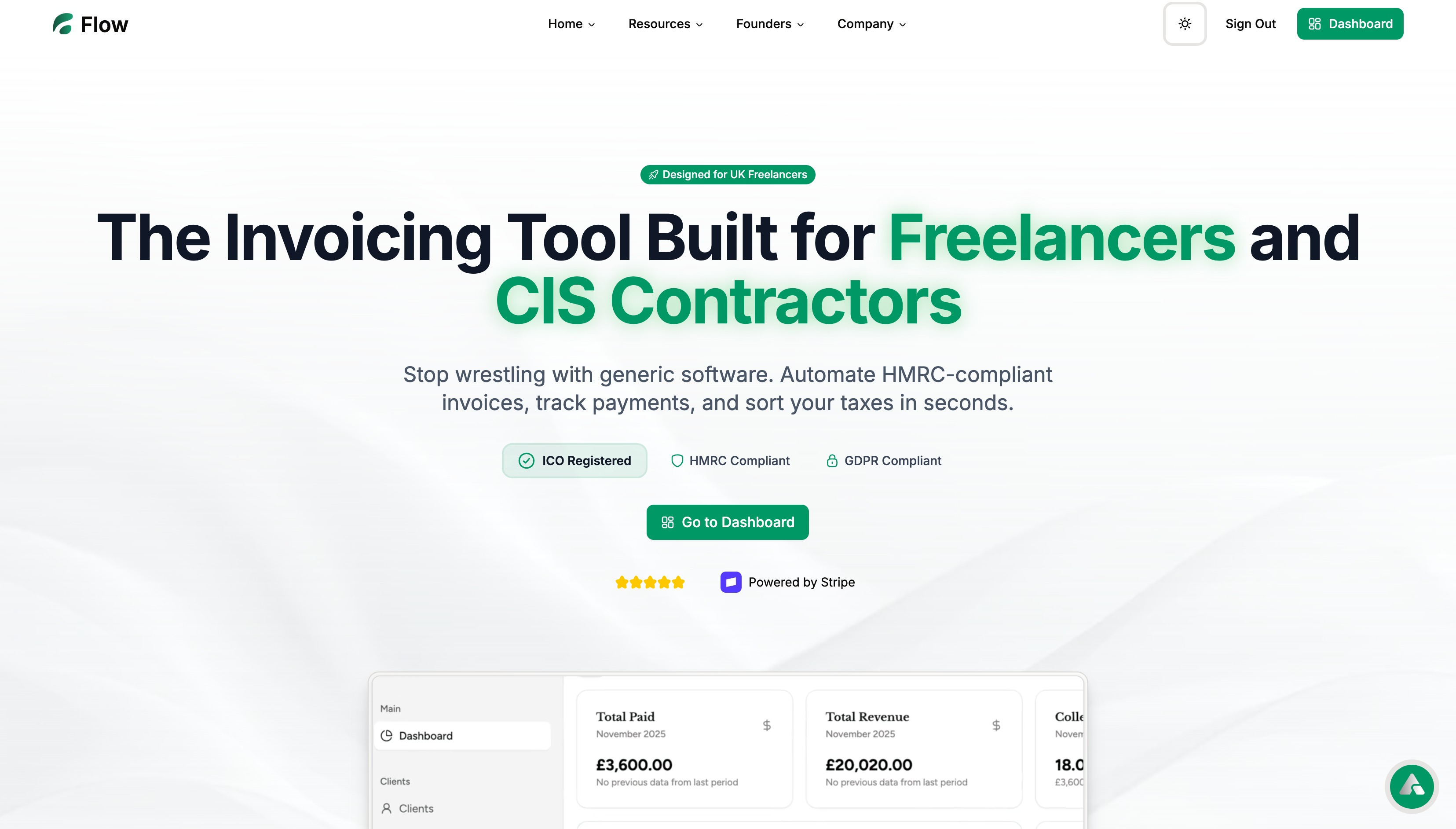
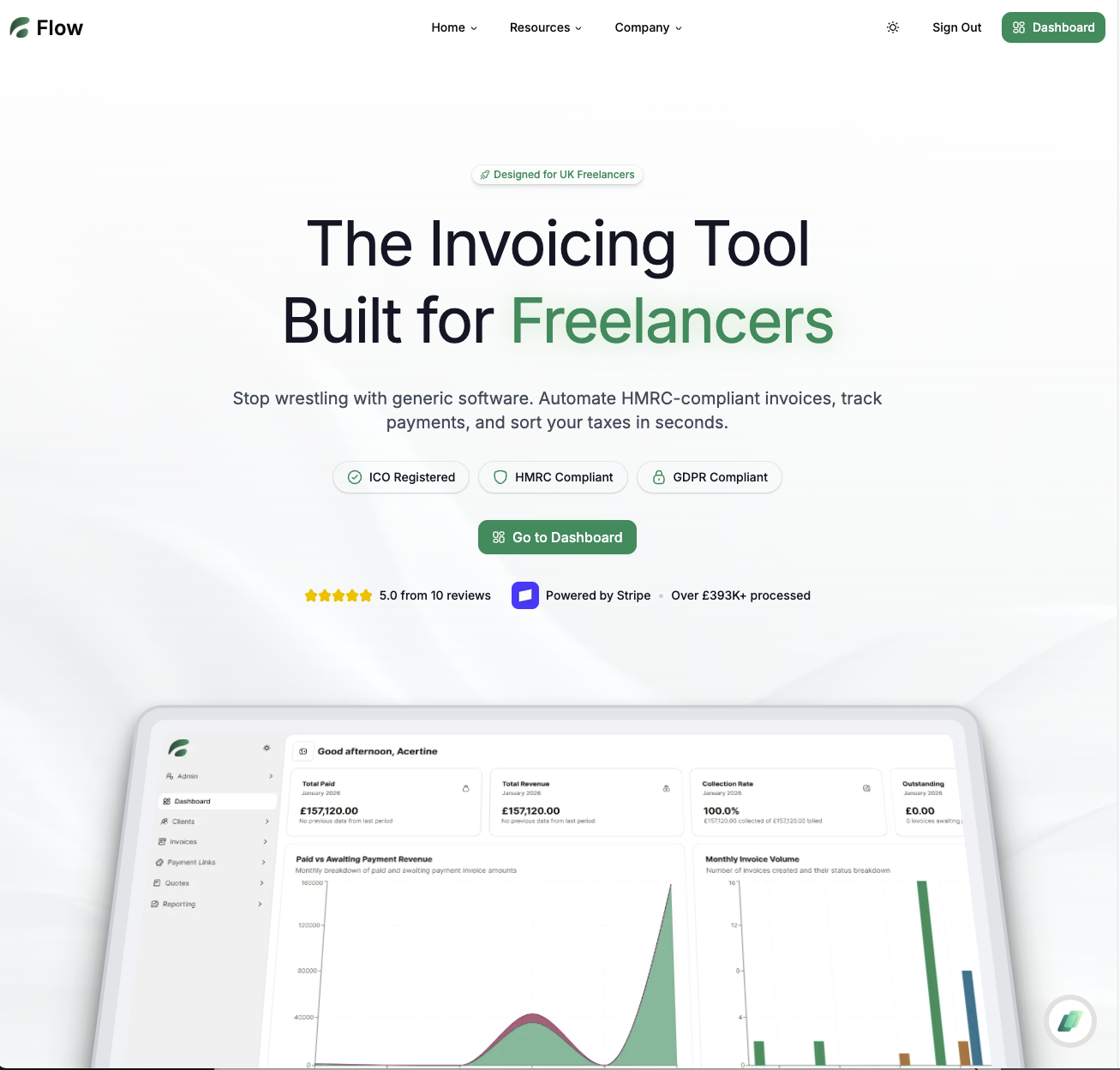
Why it worked:
Open the leaderboard
- Before state breakdown
- After state implementation
- Conversion psychology
- Leaderboard proof
- Frequently asked questions
Landing page teardown
Many founders struggle to turn traffic into pipeline, and this is where conversion breaks for most early-stage products. Our analysis of the Flow case study shows how specific adjustments shifted signups by 15 percent. This guide is for SaaS founders and marketers who want actionable data rather than fluff. By utilizing LandingBoost, we identified that simplifying the headline and moving the core CTA above the fold were the primary catalysts for improvement.
Why people moved: By aligning the visual promise of the headline with the immediate utility of the primary CTA, users experienced a rapid mental shift from curiosity to intent.
Action step: Audit your hero section for cognitive load; if a user has to scroll to understand the value, you have already lost them.
Copy example
Before: Improve your team workflow today.
After: Automate your task management in 3 clicks.
Scan your page
See real landing page examples
Before state
In the original version, the visual hierarchy was cluttered, making it difficult for users to identify the primary call to action. The page lacked specific social proof, giving visitors little reason to trust the claims made in the subheadline. It felt vague, as if the product was trying to serve everyone but failing to speak to anyone specific.
Action step: List every element on your hero section; if an item doesn’t push the user toward the conversion goal, delete it.
After state
The revised layout removed unnecessary friction points and prioritized high-intent elements. By integrating specific proof markers such as user badges and a clear product screenshot, the page felt more trustworthy immediately. The Flow style of messaging replaced generic industry jargon with benefit-driven language.
Action step: Ensure your hero section contains one clear, singular call to action that remains visible without horizontal scrolling.
Copy example
Before: Sign up for a trial period.
After: Start your free 14-day workflow automation.
Conversion psychology
Users feel safer when they see recognizable patterns, such as review ratings adjacent to the CTA. By showing proof markers and removing obscure technical terms, the page reduced decision anxiety. This is where conversion breaks: when the user has to stop and think about what the button does.
Action step: Add social proof within 200 pixels of your primary button.
Copy example
Before: Join our growing list of users.
After: Trusted by 500+ managers at scaling teams.
Leaderboard proof
Comparing these changes against industry benchmarks shows that simplicity wins. High-converting pages often strip away excessive nav items and hero animations that distract from the core value proposition. Monitoring performance across different cohorts validates that these layout refinements hold consistent value for both enterprise and self-serve users.
Action step: Review your exit-intent data to see if users are leaving because they are confused by the navigation.
FAQ
Q: How do I know if my conversion rate is low?
A: If your bounce rate exceeds 70 percent on core landing pages, your message-market fit is likely misaligned.
Q: Can I use too much proof?
A: Yes, cluttering the screen with badges can overwhelm the user; prioritize quality reviews over quantity.
Q: How often should I test these changes?
A: Run one significant test per month to ensure you have statistically significant data.
Built with Lovable
I built this blog system and LandingBoost using Lovable to ship fast.
In conclusion, the 15 percent increase in signups observed in this case proves that focused, high-intent design changes significantly impact revenue.